
An electrical enclosure is a cabinet for electrical or electronic equipment to mount switches, knobs and displays and to prevent electrical shock to equipment users and protect the contents from the environment. The enclosure is the only part of the equipment which is seen by users. It may be designed not only for its utilitarian requirements, but also to be pleasing to the eye. Regulations may dictate the features and performance of enclosures for electrical equipment in hazardous areas, such as petrochemical plants or coal mines. Electronic packaging may place many demands on an enclosure for heat dissipation, radio frequency interference and electrostatic discharge protection, as well as functional, esthetic and commercial constraints.
Stainless steel enclosures are suited for medical, pharma, and food industry applications since they are bacterial and fungal resistant due to their non-porous quality. Stainless steel enclosures may be specified to permit wash-down cleaning in, for example, food manufacturing areas.
Aluminum is chosen because of its light weight, relative strength, low cost, and corrosion resistance. It performs well in harsh environments and it is sturdy, capable of withstanding high impact with a high malleable strength. Aluminum also acts as a shield against electromagnetic interference.
Polycarbonate used for electrical enclosures is strong but light, non-conductive and non-magnetic. It is also resistant to corrosion and some acidic environments; however, it is sensitive to abrasive cleaners. Polycarbonate is the easiest material to modify.
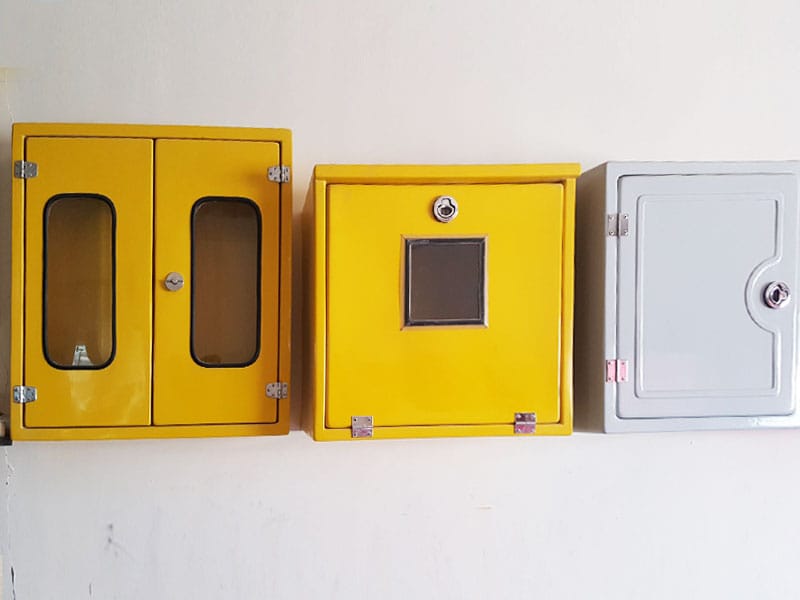
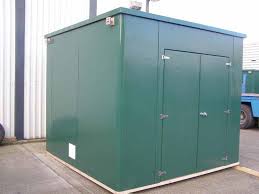
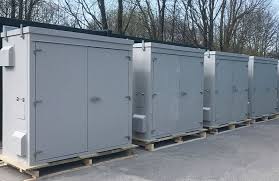
Fiberglass enclosures resist chemicals in corrosive applications. The material can be used over all indoor and outdoor temperature ranges. Fiberglass can be installed in environments that are constantly wet.
Al Jazeera Fiber UAE is an established endeavor in the field of Composites Industry in UAE. The company is well known in the Design….