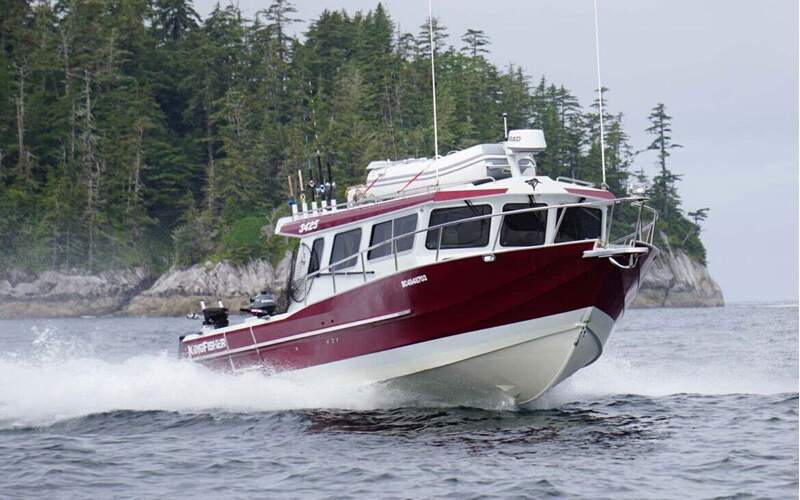
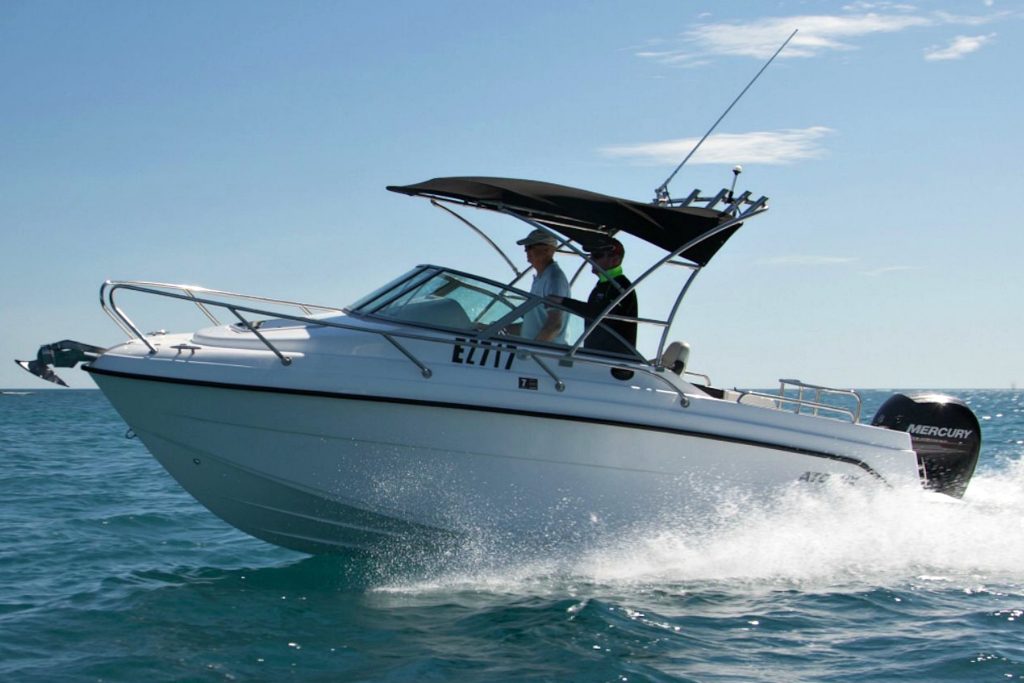
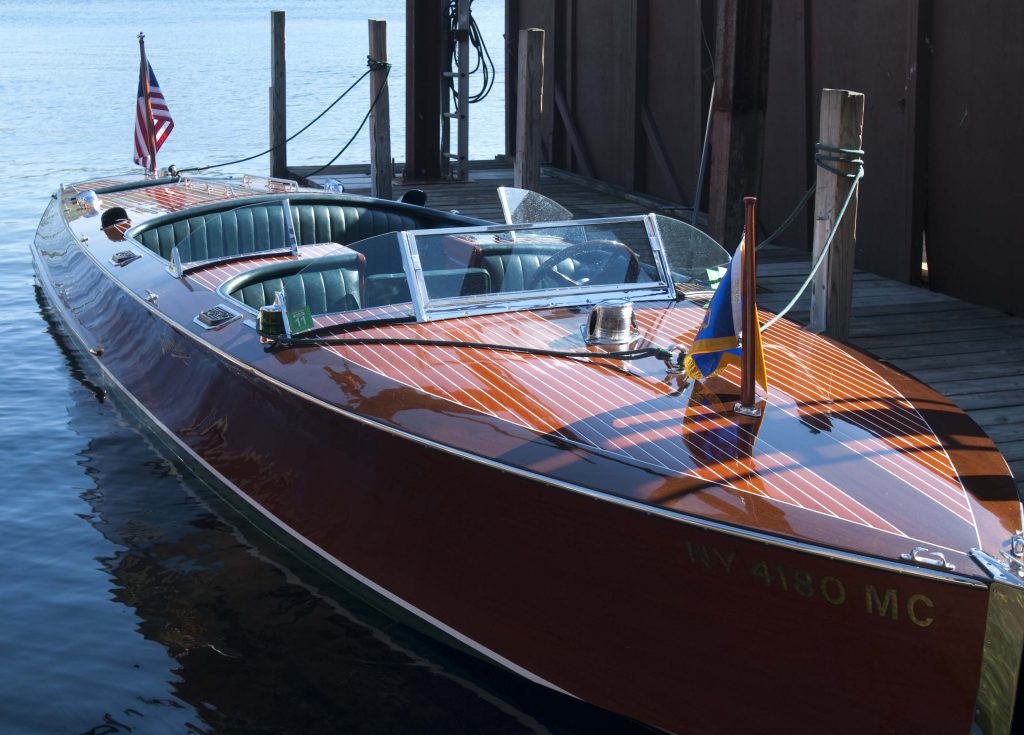
Cheaper and more flexible than carbon fiber, it is stronger than many metals by weight, non-magnetic, non-conductive, transparent to electromagnetic radiation, can be molded into complex shapes, and is chemically inert under many circumstances. Applications include aircraft, boats, automobiles, bath tubs and enclosures, swimming pools, hot tubs, septic tanks, water tanks, roofing, pipes, cladding, orthopedic casts, surfboards, and external door skins.
Other common names for fiberglass are glass-reinforced plastic (GRP), glass-fiber reinforced plastic (GFRP) or GFK (from German: Glasfaserverstärkter Kunststoff). Because glass fiber itself is sometimes referred to as “fiberglass”, the composite is also called fiberglass-reinforced plastic (FRP). This article uses “fiberglass” to refer to the complete fiber-reinforced composite material, rather than only to the glass fiber within it.
Table of some common fiberglass types
Material
Specific gravity
Tensile strength MPa (ksi)
Compressive strength MPa (ksi)
Polyester resin (Not reinforced)
1.28
55 (7.98)
140 (20.3)
Polyester and Chopped Strand Mat Laminate 30% E-glass
1.4
100 (14.5)
150 (21.8)
Polyester and Woven Rovings Laminate 45% E-glass
1.6
250 (36.3)
150 (21.8)
Polyester and Satin Weave Cloth Laminate 55% E-glass
1.7
300 (43.5)
250 (36.3)
Polyester and Continuous Rovings Laminate 70% E-glass