
As optical elements, optical gratings are images having the characteristic pattern of alternating, parallel lines. The lines alternate between high and low reflectance (black-white gratings) or high and low transmittance (transparent-opaque gratings). The grating profile is the function of the reflectance or transmittance perpendicular to the lines. This function is generally a square wave, in that every transition between lines is abrupt.
A grating can be defined by six parameters:
Gratings with sine wave profiles are used extensively in optics to determine the transfer functions of lenses. A lens will form an image of a sine wave grating that is still sinusoidal, but with some reduction in its contrast depending on the spatial frequency and possibly some change in phase. The branch of mathematics dealing with this part of optics is Fourier analysis while the associated branch of study is Fourier optics. Gratings are also used extensively in research into visual perception. Campbell and Robson promoted using sine-wave gratings by arguing that the human visual performs a Fourier analysis on retinal images.
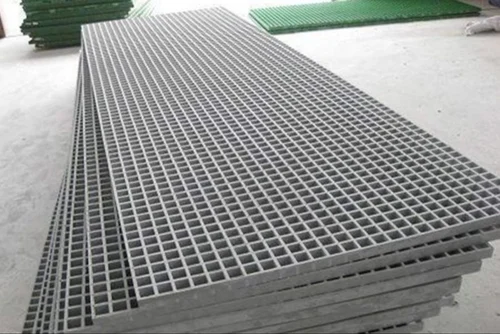
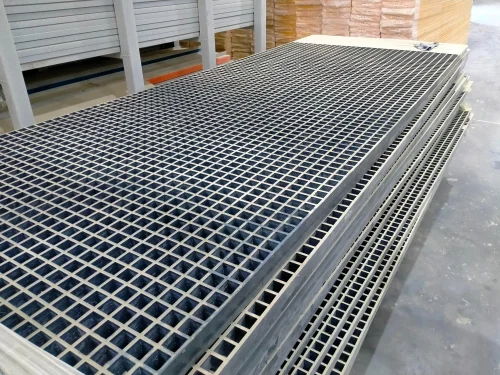
Al Jazeera Fiber UAE is an established endeavor in the field of Composites Industry in UAE. The company is well known in the Design….